Description
Description
Kielland-Luikart Obstetrical
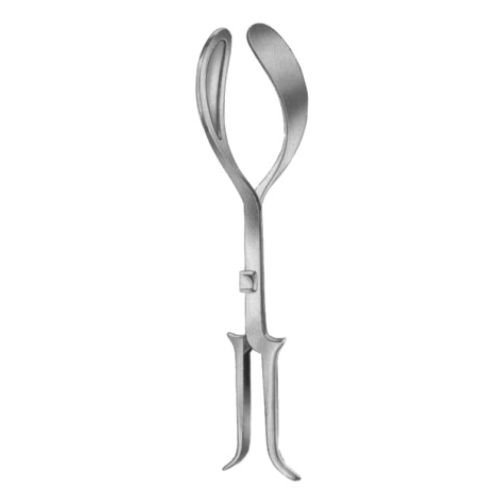
The Kielland-Luikart Obstetrical instrument is a specialized tool used in obstetrics to assist in the delivery of a baby. It is designed to aid healthcare professionals in safely rotating the baby’s head during a difficult childbirth. This instrument is named after the inventors, Dr. Axel Kielland and Dr. John Luikart, who developed it to improve the outcomes of complicated deliveries.
Key Features
The Kielland-Luikart Obstetrical instrument features a curved handle with a grip that allows for easy manipulation and control. The instrument is made of high-quality stainless steel, ensuring durability and sterility. It also has a smooth surface to minimize any discomfort for the mother during the procedure.
One of the key advantages of the Kielland-Luikart Obstetrical instrument is its versatility. It can be used in various positions, such as the lithotomy or dorsal position, depending on the specific needs of the delivery. This flexibility makes it an essential tool for obstetricians and midwives in managing challenging births.
Benefits
The Kielland-Luikart Obstetrical instrument offers several benefits to both healthcare professionals and expectant mothers. Its precise design and ergonomic handle allow for greater control and accuracy during the rotational maneuver. This can help reduce the risk of complications and ensure a safer delivery for both the mother and the baby.
By using the Kielland-Luikart Obstetrical instrument, healthcare providers can effectively manage cases of fetal malposition and prevent the need for more invasive interventions, such as cesarean sections. This can lead to shorter recovery times for the mother and a reduced risk of postoperative complications.
In conclusion, the Kielland-Luikart Obstetrical instrument is a valuable tool in obstetrics, designed to assist healthcare professionals in safely rotating the baby’s head during difficult deliveries. Its ergonomic design, versatility, and precision make it an essential instrument for managing complicated childbirths and improving outcomes for both mother and baby.